

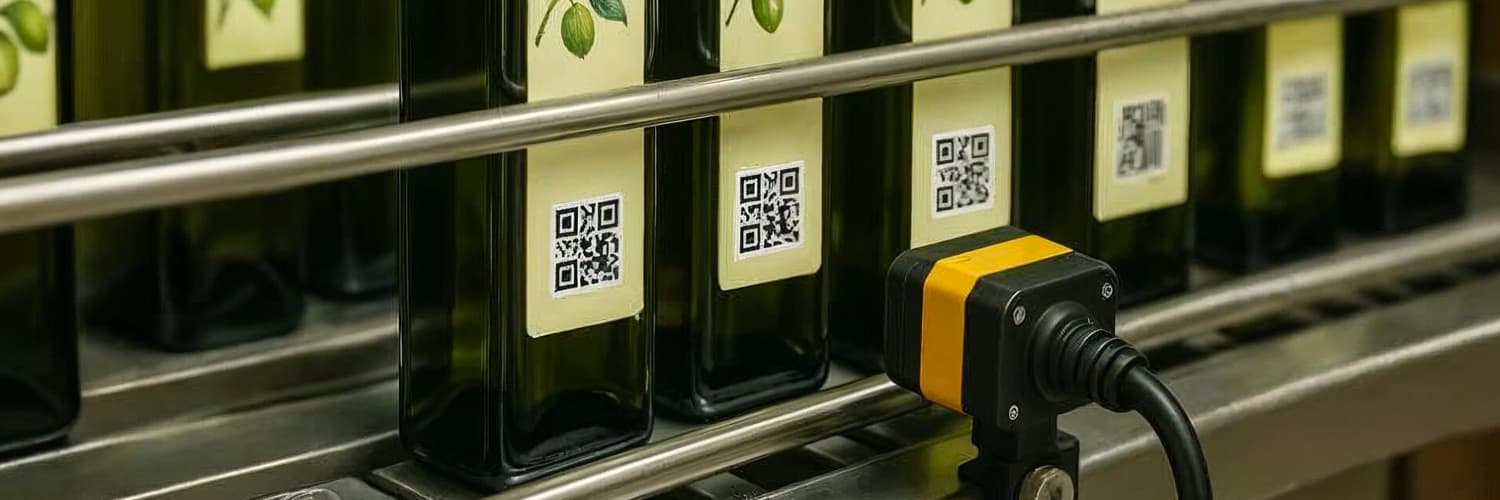

Saudi Arabia’s Vision 2030 has ignited a nationwide transformation in how industries operate, placing efficiency, transparency, and consumer trust at the core of progress. In the growing food and beverage (F&B) sector, one innovation is emerging as a game-changer: serialization, combined with track and trace, aggregation, and disaggregation for a complete traceability through the totality of the supply chain.
More than just a compliance tool, serialization is a strategic investment. It protects brands from counterfeiting and food fraud, safeguards consumers, and unlocks operational intelligence that reshapes supply chains.
Beyond Compliance: Unlocking Business Value with Serialization and Track & Trace
Many Saudi food and beverage companies see serialization as a regulatory requirement they might face one day and they hope it would be long before their industry is regulated. But forward-thinking brands view it as a foundation for long-term competitive advantage, especially when paired with advanced track and trace and aggregation capabilities.
· Boosting Consumer Trust and Brand Protection
Serialization assigns a unique identifier to every product unit, enabling tracking from production to point-of-sale. This transparency reassures consumers that their food is authentic, traceable, and safe, strengthening brand credibility in an increasingly safety-conscious market.
· Smarter Recalls with Disaggregation Capabilities
In case of contamination or defect, disaggregation (the ability to trace back from aggregated units to individual items) allows manufacturers to isolate affected units quickly and surgically. This focused recall approach minimizes financial loss and limits the scope of disruption. Instead of pulling entire shipments or product lines, manufacturers recall only what’s necessary, reducing food waste and protecting the environment.
· Operational Efficiency Through Aggregation and Data
With aggregation, manufacturers link individual product codes to cases, pallets, and shipments, creating a layered, hierarchical structure of traceability. This dramatically improves inventory control, distribution logistics, and retail audits—reducing shrinkage, improving accountability, and lowering costs across the supply chain.
· Marketing Opportunities Through Serialization
Beyond supply chain benefits, serialization opens new marketing avenues by enabling targeted promotional campaigns. Brands can create personalized gifts, loyalty rewards, or interactive campaigns linked to unique product codes. Additionally, the system provides valuable consumer behavior insights, helping marketers analyze preferences and tailor offers, driving engagement and boosting sales.
· Enabling Global Market Access
With Saudi Arabia’s growing ambitions to expand F&B exports under Vision 2030, serialization provides the traceability infrastructure required by international markets. Meeting these standards helps Saudi exporters access new markets while maintaining compliance with global regulations.
Combatting Counterfeit & Food Fraud in KSA: The Power of Serialization
Food fraud and counterfeit products are real threats in the MENA region. From unauthorized duplication of labels to false expiration dates, these practices endanger public health and damage brand trust. Serialization, combined with track and trace systems, provides robust protection:
· End-to-End Product Authentication
Each serialized product carries a unique code that can be scanned and verified anywhere along the supply chain, whether in warehouses, retail outlets, or by consumers themselves. When enhanced with track and trace infrastructure, this system flags any break in the chain, deterring counterfeiters and ensuring only legitimate products reach the shelves.
· Full Visibility Across the Supply Chain
By pairing serialization with aggregation, food companies can trace each product’s journey through production, packaging, warehousing, and retail. This visibility is crucial in Saudi Arabia’s expansive supply networks, where long distances and high throughput create complexity and risk.
· Protecting Consumers and Brand Integrity
Counterfeit food products can have dangerous health consequences and lead to costly legal and reputational damage. Serialization allows Saudi F&B companies to proactively protect consumers by ensuring every item sold is genuine and meets safety standards.
· Smart Analytics for Risk Reduction
Serialization also generates valuable data that enables better decision-making: Where is waste occurring? Where do delays happen? What batches are most returned? These insights allow KSA manufacturers to continuously improve supply chain performance and respond to threats before they scale.
The future of food in Saudi Arabia depends on transparent, secure, and smart supply chains. Serialization is the key to unlocking that future. Early adopters gain not only compliance but also significant business advantages that position them as leaders in the Kingdom’s dynamic food sector.
The time to act is now before your supply chain falls behind.
Want to install end-to-end solutions for serialization, aggregation, disaggregation, and track and trace systems tailored to your production line in KSA? Contact MEPEQ Team to learn more.